
Building Resilient Teams During Organizational Change
Periods of internal upheaval force teams to rethink schedules and priorities, often at the cost of personal time. Once routines settle, leisure habits shift: some staff spend evenings exploring jackpot games, weighing the flash of a new promotion or bonus offer against a tight budget. On average, a typical team regains two to four hours of free time per week following a major transition, but where stress lingers, these hours may be spent chasing quick payouts or chatting with live dealers instead of resting.
For many, the first payout or withdrawal after weeks of disruption feels like a sign that life is returning to normal. Yet the ease of making a deposit or the lure of a new slot can catch out those who still feel unsteady, especially when rules and payout rates vary from one site to another.
Uncertainty in daily life can make it harder to recognize when habits have shifted from routine to restless distraction. People regain the ability to act on impulse in their downtime and this often fills up with online casino games, especially jackpot games that promise a quick thrill. Most who enjoy fiery play online end up focusing on the anticipation that comes with each new bonus. As a result, the sense of control over leisure time can blur, leaving some to wonder where the evening hours have gone.
A single missed detail–such as wagering requirements or payout limits–can turn a night meant for relaxation into a source of fresh frustration for anyone not yet fully settled after change.
How do teams stay resilient under pressure
Clear communication and trust allow teams to face sudden changes without crumbling. Adaptable groups can shift roles and priorities, which keeps momentum steady during upheaval.
After a reorganization, some find themselves with more free evenings or less stress at home. Many turn to online pastimes, including spinning reels or testing card games, where small deposits and bonus rounds can fill the quieter hours.
Those who regain control over their schedules often look for ways to reconnect or relax. Live dealer tables and quick payout options become a backdrop for winding down, sometimes discussed as casually as last night's television.
What makes team adaptation succeed or fail
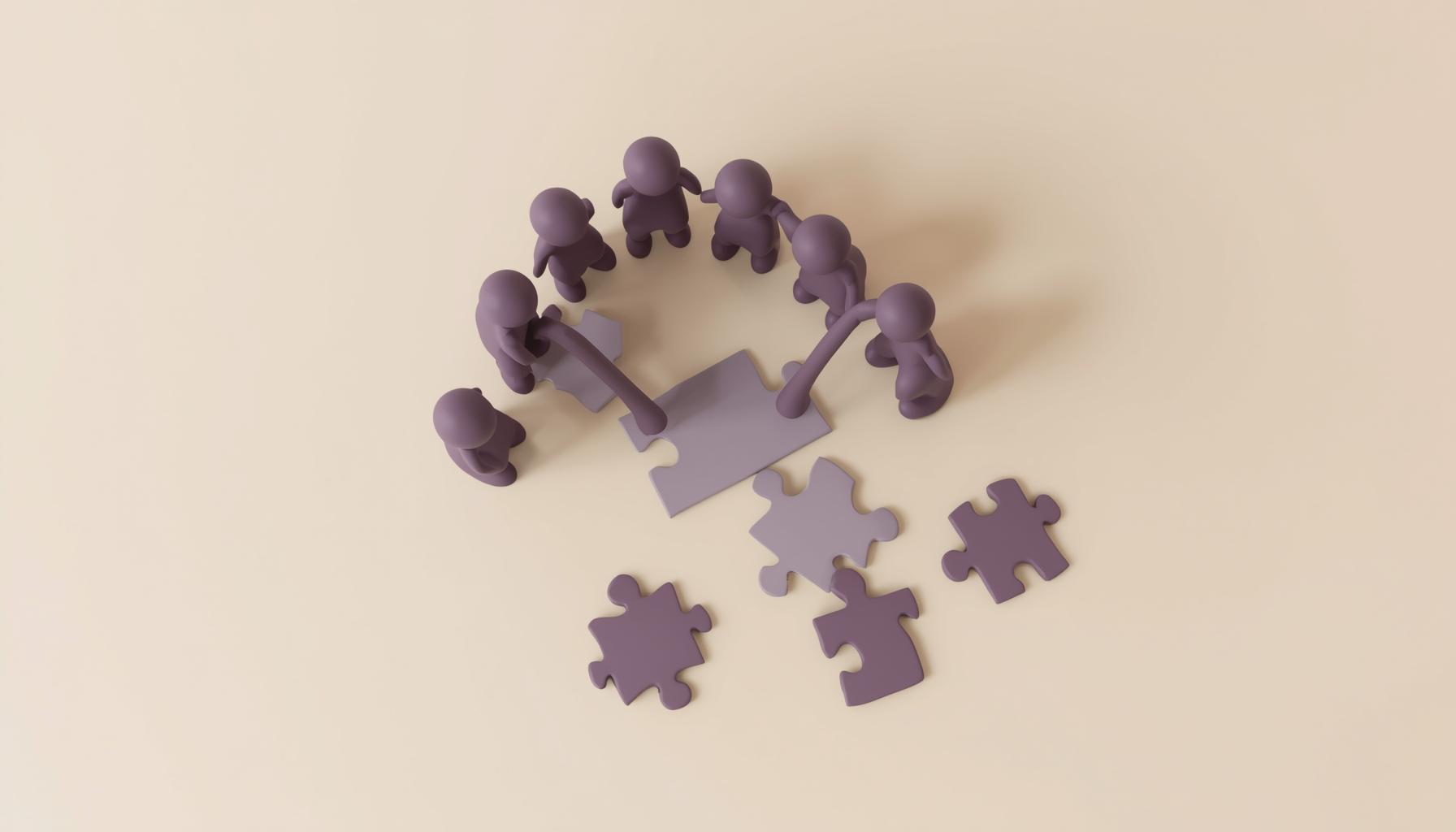
Adaptable teams recover faster from disruption, especially when leadership prioritizes open feedback and encourages shared decision making. Where that trust exists, team members not only hit deadlines but finish their days with more energy to pursue outside interests. For some, this means joining friends at home for a session of blackjack or trying a new slots site after work.
Role of leadership in adaptation
Visible, hands-on leadership shortens the turbulence teams feel during structural shifts. In companies where managers hold regular face-to-face check-ins, employees report fewer misunderstandings and recover their focus faster than in groups left to navigate changes through email alone. Trust grows when leaders answer concerns directly, but disappears if direction comes only through policy updates or automated platforms.
The single greatest setback comes when leadership disappears during uncertainty–delays in decision making or silent periods stretch out confusion, leaving teams in limbo and morale in decline.
After a period of strong, present leadership, team members often regain enough clarity and downtime to pursue familiar routines outside work. Some return to online casino platforms, catching up with friends over a round of live blackjack or trying out new bonuses, drawn by the sense of control and low-friction fun that contrasts with recent workplace upheaval.
Team culture and flexibility
Rapid adaptation hinges on how teams handle both collective habits and openness to new routines. Teams that foster informal sharing and tolerate mistakes tend to adjust faster when priorities shift. After a period of heavy change, these conditions often lead to extra free time and renewed interest in leisure activities online, such as online casinos:
- Shared rituals – quick Friday quizzes or virtual coffee breaks
- Flexible scheduling – swapping tasks to balance workloads and time zones
- Norms about downtime – unwritten permission to log off and recharge
- Acceptance of novelty – willingness to try unfamiliar tools or games
Teams that encourage informal downtime and tolerate experiment see members quickly re-engage with activities like online casino slots or live dealer tables, while rigid groups leave people drained and less likely to return to any leisure. For those catching up on rest or reconnecting with hobbies, a well-timed online casino bonus or the challenge of a new table game can offer a welcome change of pace after work.
Teams that build mutual support adjust to change with less stress and more room for downtime. Those who regain time for themselves often use it to reconnect, sometimes by exploring new welcome offers or comparing jackpots in their favorite online games.
Why some teams struggle to recover
Teams often fail to recover when conflicts simmer or goals remain unsettled after big organizational changes. Unaddressed issues drain motivation and make collaboration harder. As instability lingers, even off hours shrink, leaving little space for personal interests.
Recent transitions have left some employees too tired or distracted to enjoy activities like online casinos, where slot games and live dealer tables usually mark a relaxing break. Missed payouts or overlooked bonuses can happen when mental energy runs low. In stable periods, more people find the time and focus for these leisure pastimes, sometimes reconnecting with favorite casino platforms.
Uncertainty at work reduces both downtime and attention for outside interests. Calm restores those windows, making leisure options–including online casinos–feel accessible again.
How personal habits shift after change

Stabilized teams often see personal routines reshaped by new work patterns and reclaimed downtime. Some team members gravitate toward streaming shows or trying luck on slots and table games, drawn by instant results or large jackpots. This shift can relieve stress but sometimes replaces healthier habits or introduces new sources of distraction.
Renewed interest in leisure activities
Regaining a regular work rhythm after disruptive change often brings back evenings or weekends that had disappeared under extra pressure. For some, this new stability sparks a return to old hobbies or the start of new pastimes, which can bolster mental health by providing routine and enjoyment outside work demands.
| Type of activity | Frequency after change | Social aspect | Cost involved |
|---|---|---|---|
| Joining a local football club | Weekly | Group participation | Club fees |
| Streaming new TV series | Several times per week | Solo or shared with family | Subscription |
| Playing at online casinos | Varies, often evenings | Online chat, tournaments | Deposits, occasional wins |
| Cooking new recipes | Weekly | Often with family | Groceries |
| Virtual board game nights | Monthly | Friends online | Game purchase |
| Online language courses | Twice per week | Peer forums | Course fee or free tier |
Overlooking leisure routines can lead to burnout and lower team morale during transition periods. When online casinos or similar activities become a frequent choice, clear limits and awareness of time spent help keep these sessions positive and stress reducing.
Potential pitfalls of new routines
Team members often adapt to new routines after a reorganization, but not every habit supports long term focus. Some shifts, especially when stress drops, bring new distractions that seem harmless at first.
Late evening sessions with online blackjack or spinning reels can spill into the next morning, disrupting sleep and concentration. A few team members may find themselves checking new bonuses or chasing a large payout instead of unplugging completely. These patterns rarely draw attention in group meetings, yet the impact appears in missed deadlines or fading collaboration.
Leaders who notice a change in energy may suspect social media or mobile games, but less visible habits like trying out live dealer games or comparing payout rates also play a role. A team can lose momentum when individuals let such routines crowd out healthier downtime or real connections.
A team that encourages honest conversation about downtime responds faster than one that ignores warning signs. Leaders who set boundaries for meetings and respect true off hours help keep leisure from tipping into overuse.
Once routines settle, evenings spent chasing bonuses or chatting with live dealers become part of post-change life for some. Recognizing these shifts helps managers spot both positive outlets and risks to well-being.